No free-market monopoly has ever had a significant impact on society either in prices or wages. Only the government granted monopolies like utilities and central banking have had adverse impacts on society.
That tariffs and taxes have an adverse impact on society as companies and consumers end up paying higher prices for both goods and services.
That a central banking system, such as the Federal Reserve Bank of the United States and its member banks does not stop major economic recessions, bank runs and insolvencies/bankruptcies as its proponents promised.
That social and corporate welfare does not accomplish diminishing poverty and the gap in wage and wealth disparity between the poor and wealthy.
That scientists cannot access or repair the cumulative effects that cause or benefit Global Warming. We simply do not know all the factors that impact earth’s climate or how much each affects it. We can only try to both access and repair the direct affects humans are having on our planet, like air and water pollution, environmental impact of agriculture and the various forms of flora, fauna and mineral harvesting. As an example, how much adverse effects does mining have on global warming, as compared to the benefits and adverse effects of solar flaring and radiation. Without the sun we cannot live, but solar flaring can cause both increases and decreases in the earth’s temperature and to what degree we can only attempt to measure and hypothesize due to constant change and the unknown factors.
That the 230+/- Governments and United Nations have done a poor job at solving the many effects humans are negatively impacting the environment. Poor garbage collections and recycling systems and the abundance of garbage found in nature are just a few of the many examples.
That the mandated social policies of the various government health officials around the world, especially those in the European Union, the WHO and the Americas, did more harm than good in the handling of the Covid-19 outbreak.
That the monetary costs of providing all these failed social policies are bankrupting both the governments and the majorities within many of the political jurisdictions, like Illinois, New York, Michigan and the Federal Government.
That the social costs of the vast levels of force and coercion that are required, and that occur because of the collection and redistribution of wealth, are having massive deleterious effects on our society, both psychologically and sociologically. The levels of discontentment and conflict caused by the numerous factors in this document, in addition to others, has never been higher in at least 75 years. Many social problems such suicides, overdoes, crime, rebellion, incarcerations, government prosecutions, government corruption and manipulations, poverty, homelessness, food insecurity, starvation and many diseases are at or near all-time highs like diabetes and cancer.
That it’s NOT the free-market capitalist system that has caused all these problems, when it is clear, that as the government has grown in size, costs, and scope of almost unlimited powers over the 20th and now 21st centuries, we have diminished in most of the social and economic categories the government is responsible for and many others the social engineers have caused. Our money is not even free market derived any more, causing massive levels of inflation, thanks to the government and central banking system. We have over 150 taxes and regulatory fee, diminishing the output and prosperity of the civilian population, while benefiting primarily the bureaucracy and government contractors. That is fascism Comrades, when a large percentage of the massive annual Federal budget of over $5.5 trillion goes to various commercial interests such as the military industrial complex to support the military and police state apparatus, Big Pharma, Big Chemical, Big Oil and Big Agriculture. Fascism: when State and private monetary interests merge and collude to control the vast network of commercial and social assets and the means of production. – In a true free market capitalist system, there would be a few and low taxes, governments would be small with very limited powers and the markets would dictate interest rates, the amount of money in circulation and loan underwriting standards, not central banks, member banks and the government.
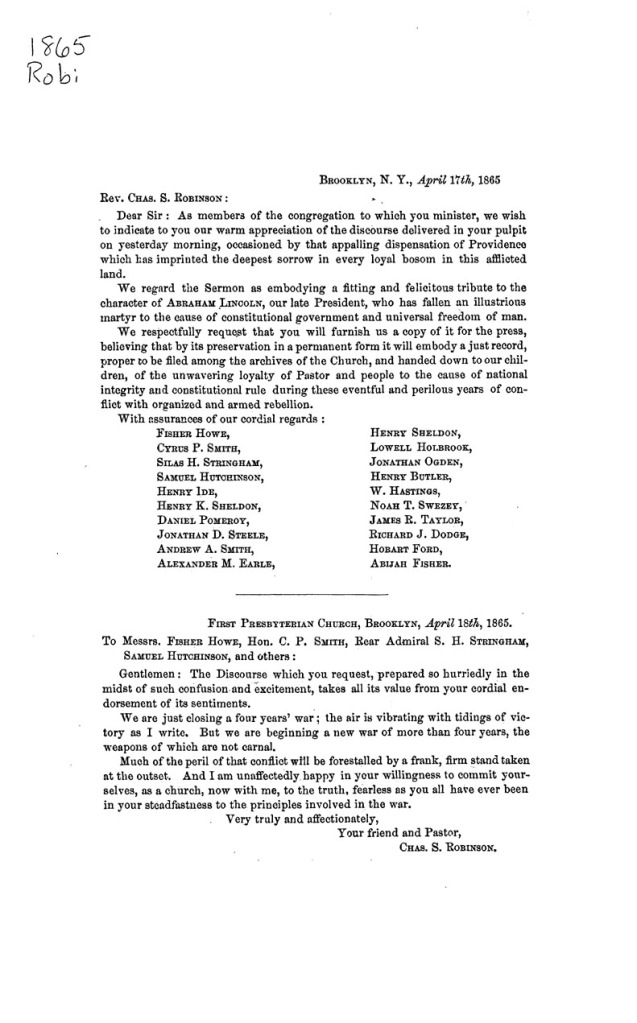
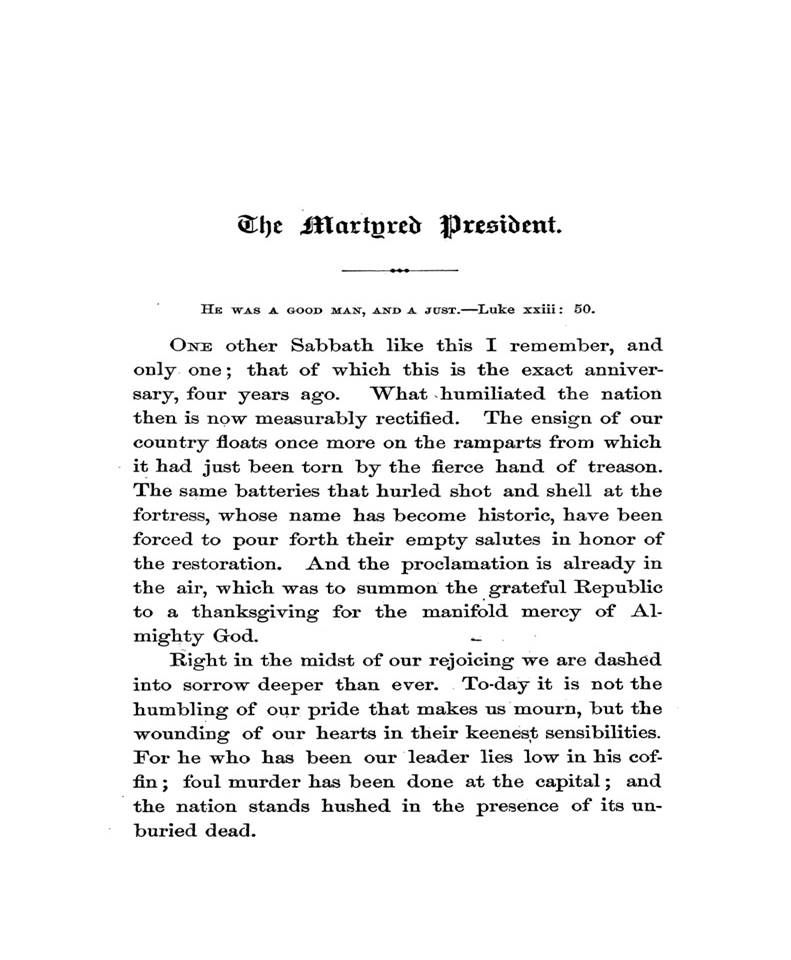
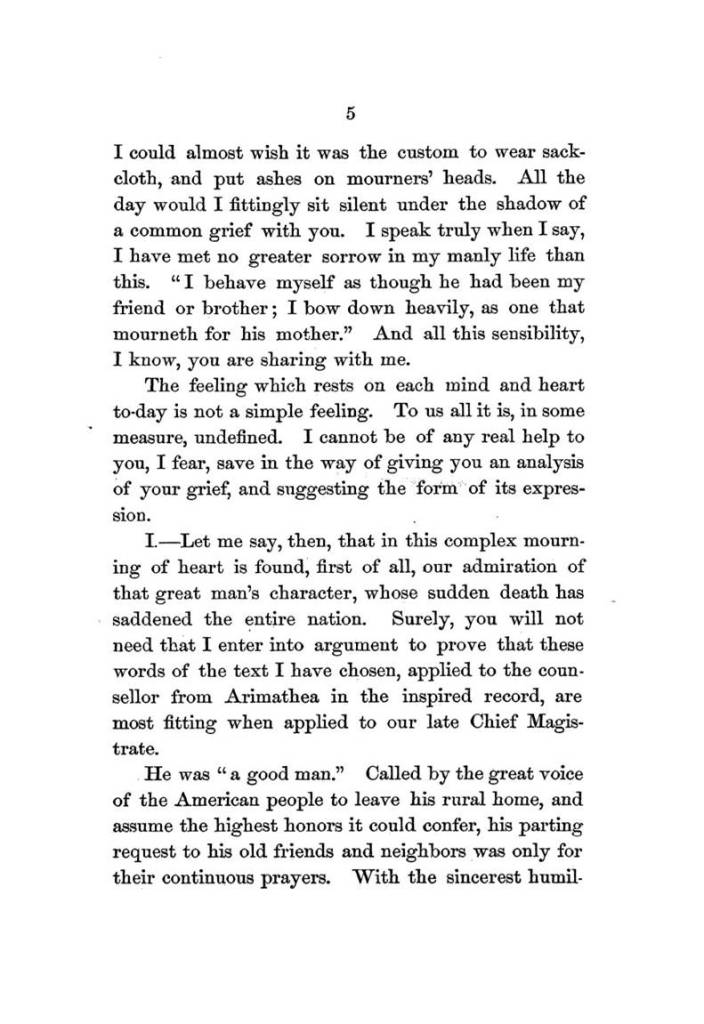
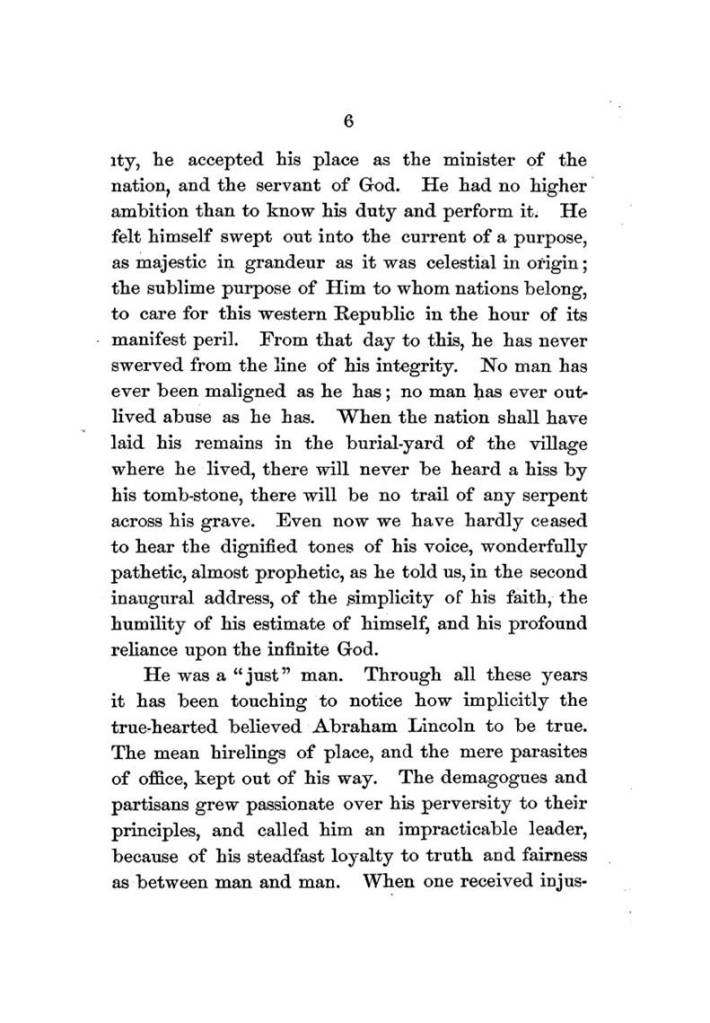
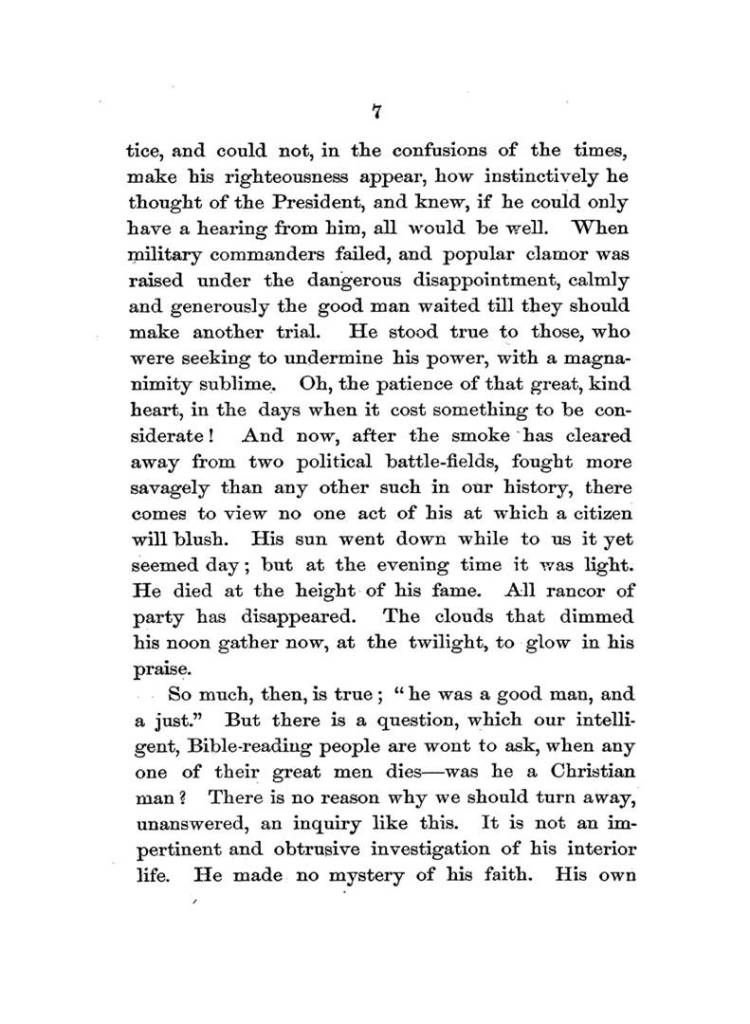
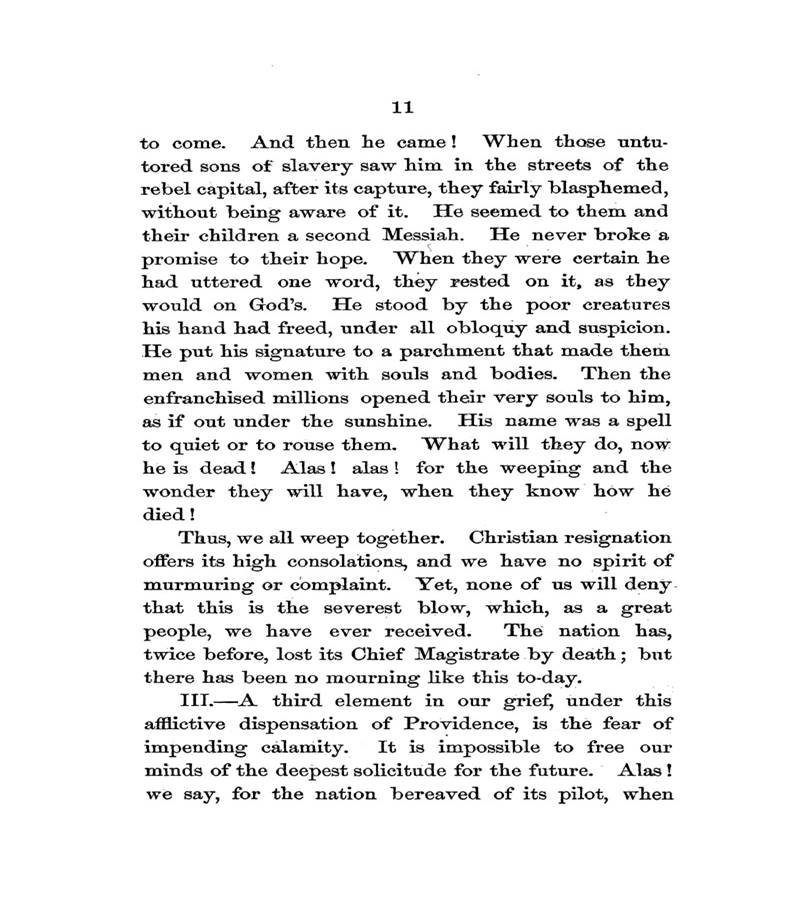
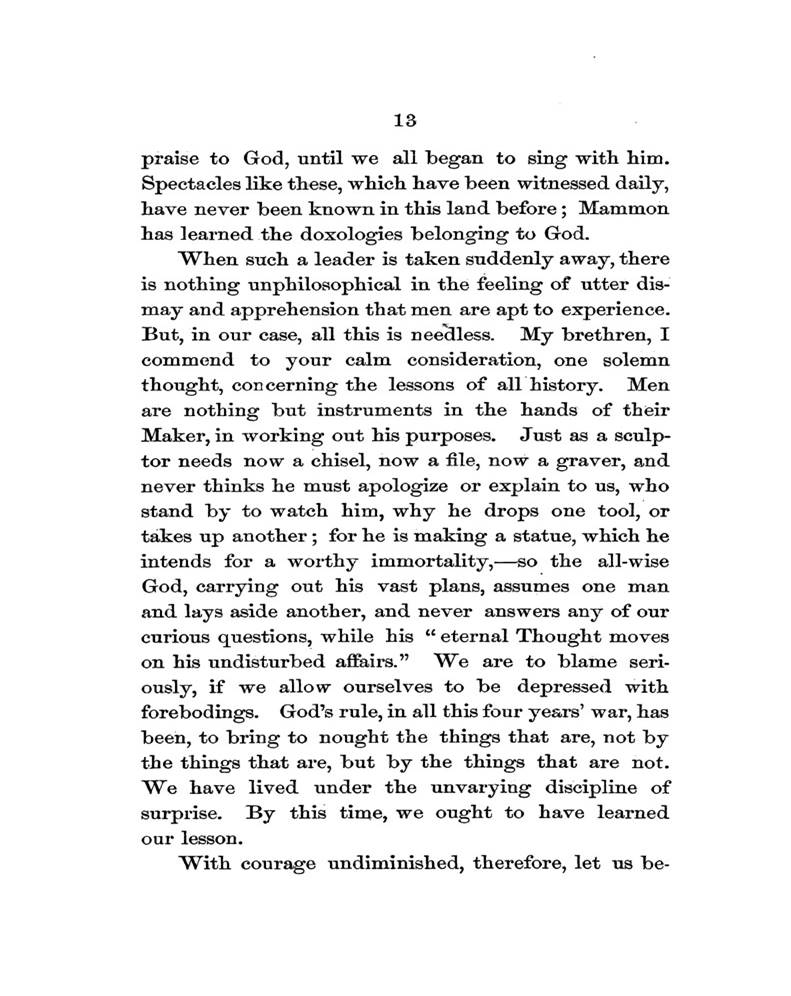
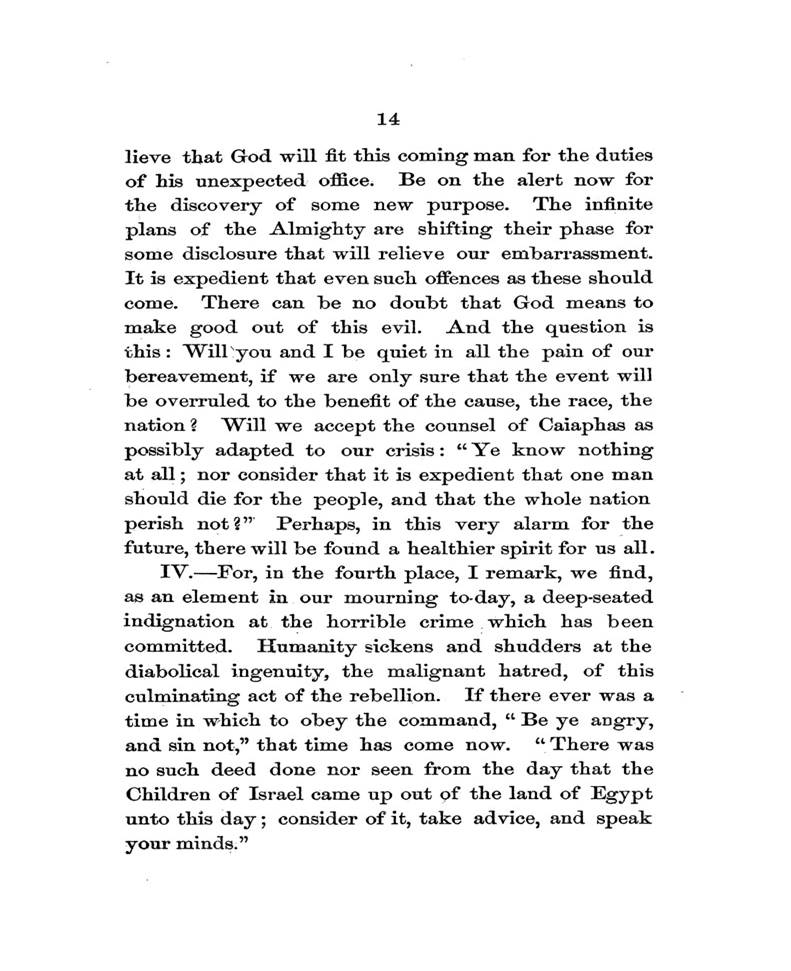
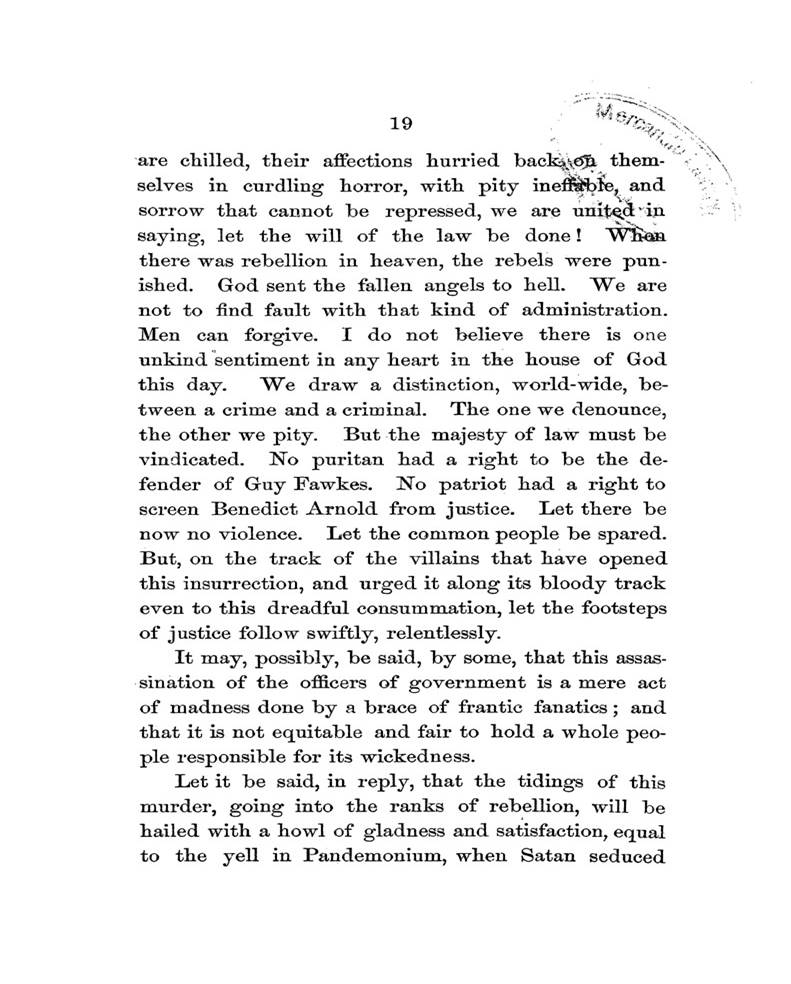
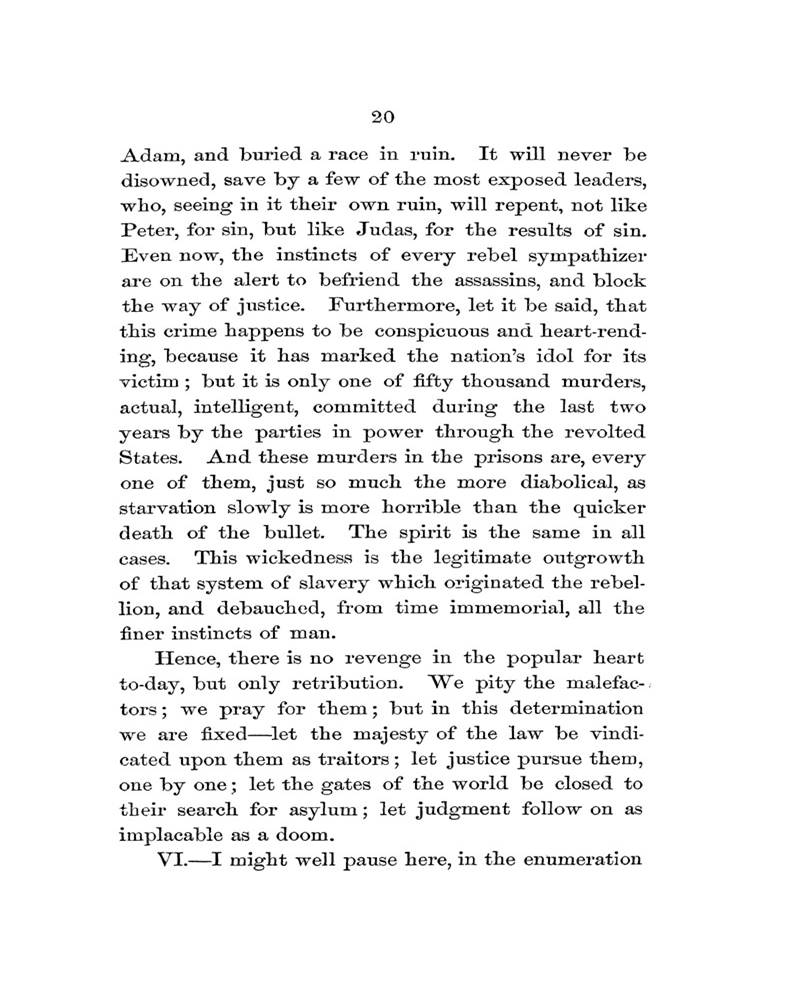
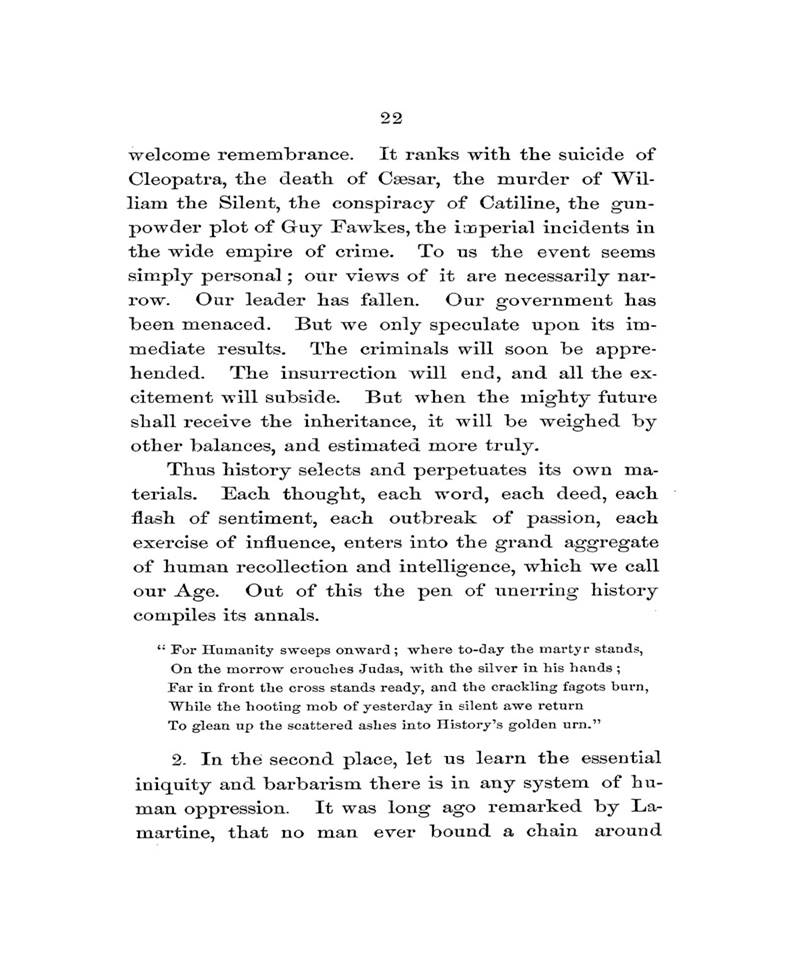
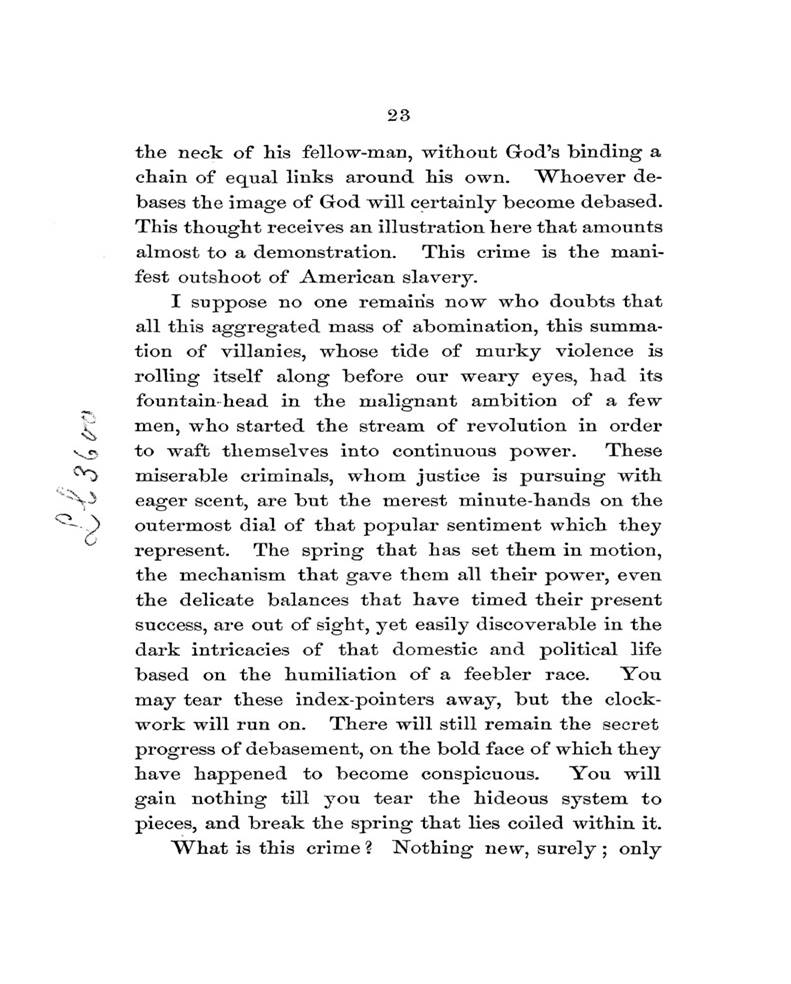
This is a famous sermon by the Rev. Charles Robinson, who just happens to be an ancestor, in 1865 memorializing Abraham Lincoln after his assassination.
The reason, however, I published the sermon is because of its illumination of the Venetian Conspirators noted in the 1st paragraph on page 4. (see below) He was a beautiful author and wordsmith, better than most I’ve heard and I see why he was so popular in his day.
I also attached this link to a website full of conspiratorial information, some known to be historically true, on the period of the Venetian Conspirators and the reason why I published the sermon. If they knew about this back in 1865, why does so few know of it today? https://exploringrealhistory.blogspot.com/2019/03/part-1-venetian-conspiracy.html
My theory is that Big Pharma, the WHO, and the various Governments inadvertently or purposefully used as much of the world’s population as possible, to experiment with the human responses, with the same spike proteins being found in those infected after contacting Covid-19, those who received the mRNA vaccines produced by Pfizer/BioNTech and Modera, and the influenza vaccines.
It was the Bing AI response that added the influences of the observed spike proteins from the influenza vaccines in the theory, as it claims the same spike proteins have also been observed in those receiving the flu vaccines. That begs the question, is it a coincidence that the outbreak occurred at the beginning of the 2019-2020 flu season and are they being shed like attenuated vaccines?
As you will see from the answers and comments from this particular artificial intelligence program, Bing AI, it is extremely interesting. Whether it is learning from its own research, to its logical abilities to draw correct conclusions will be interesting as compared to some humans who have this ability. I simply cut and pasted the entire conversation word for word.
This is as much an observational study of AI as it is the subject matter. Please join me and read the questions and answers carefully to see what you conclude after reading the entire conversation. Do you agree or disagree to portions or all the elements of my theory?
Question: Are there any studies on vaccine shedding with the mRNA vaccines?
Question: A Doctor read from a study online that the spike proteins from the vaccines were staying in people for up to six months but the study only analyzed up to six months so they do not yet know how long they are staying in people. That would depend on if it’s the same spike protein found in SARS-CoV2.
My Comment: This study shows a correlation between the flu vaccines and Covid-19 deaths, so the observed response of other vaccines could be related to the spike proteins although correlation doesn’t prove causation, it doesn’t disprove it either. https://peerj.com/articles/10112/
My Comment: Agreed. More studies need to be done on the effects of the spike proteins both from COVID-19 and the mRNA and Influenza.
Bing AI Response: Absolutely, ongoing research is crucial to fully understand the effects of spike proteins from both SARS-CoV-2 and mRNA vaccines. It’s also important to study the potential interactions between different types of vaccines, such as influenza vaccines and COVID-19 vaccines. These studies can provide valuable insights that help improve vaccine development and public health strategies. As always, it’s recommended to refer to reputable health organizations and scientific research for the most accurate and up-to-date information. 😊
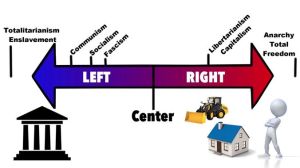
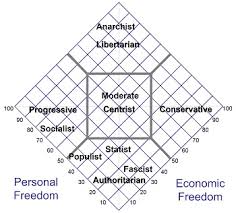
This essay is as much about the use of the MSM by the Fasci, as it is about fascism itself. The Fasci and MSM have even started programming the Bing AI (Copilot) to mislead the electorate. As you can see from the below left-right graph, you’ll get to read how Bing AI attempts to counter this chart in favor of placing fascism incorrectly to the right. What it says is quite interesting and revealing.
The highlighted questions are those I asked of Copilot with the AI answers also cut and pasted word for word.
Since fascism requires a great deal of socialism wouldn’t it be closest to the left, after the intentional collapse of free market capitalism system by the Maxists, using excessive levels of taxes, regulatory fees, and other interventions?
Searching for: relationship between fascism and socialism
It’s important to note that the political spectrum is not a straight line but more of a complex field where ideologies can share certain characteristics while differing greatly in others. Therefore, it’s not accurate to say that fascism is closer to the left or right based on its similarities with socialism. Each ideology must be evaluated on its own terms and in its historical and cultural context1.
If in a free market capitalist system the protection of rights and private property are greater than in a greater socialistic system, therefore, wouldn’t the authoritarian and nationalistic aspects of fascism be instituted and enforced by the government?
Searching for: fascism and protection of rights and private property
This conversation may have info that’s not public. Conversation will not be saved after this point.
How is it then that we had members of the U.S. Federal government inducing private companies to sensor the public? Isn’t that one of the aspects of fascism?
Searching for: US government inducing private companies to censor the public
Therefore, wouldn’t the contrast between fascism and the free market system due to the various government controls, place it nearer to the left, nearer to socialism and communism on the scale rather than closer to capitalism on the right where there are fewer government interventions and controls?
Generating answers for you…
The political spectrum is complex and not simply a straight line from left to right. It’s more accurate to think of it as a two-dimensional plane, where one axis represents economic freedom (from communism on the far left to laissez-faire capitalism on the far right), and the other represents social freedom (from authoritarianism at the top to libertarianism at the bottom).
Fascism is typically placed on the far right of the political spectrum due to its emphasis on ethnic or racial purity and its opposition to liberal democracy, but it also includes elements of left-wing politics such as state intervention in the economy. However, it’s important to note that fascism rejects both the extreme left (communism) and the extreme right (unregulated capitalism).
Socialism and communism, on the other hand, are placed on the left of the spectrum because they advocate for social equality and communal ownership of resources. However, they differ in their approach to achieving these goals.
So, while fascism does involve state control similar to socialism and communism, its nationalist and authoritarian aspects, as well as its support for a mixed economy, distinguish it from these ideologies. Therefore, it’s not accurate to place fascism closer to the left or right based solely on its similarities with socialism or communism.
5of30
The notion that there can be unregulated capitalism is incorrect since the consumers and producers in a free market society can voluntarily negotiate prices and terms and thus regulations are built into the system using contracts and legal mitigation such as the law merchant was used.
Generating answers for you…
You’re correct that in a free market system, consumers and producers voluntarily negotiate prices and terms, creating a form of self-regulation. Contracts and legal mitigation, such as the law merchant you mentioned, play a crucial role in this process.
However, the term “unregulated capitalism” often refers to a theoretical extreme where there is no government intervention at all. In reality, even in economies that are considered free market, there is usually some level of government regulation to protect consumers and maintain competition. These regulations can include laws related to consumer protection, competition, and environmental protection, among others.
So while it’s true that the market itself has mechanisms for self-regulation, the term “unregulated capitalism” typically refers to the absence of these additional government-imposed regulations. It’s important to note that no economy is entirely unregulated, and the level of regulation varies from one country to another. The balance between self-regulation and government regulation is a topic of ongoing debate in economics.
6of30
What about Zomia, a/k/a the Southeast Asian Massif, that has no government and the people voluntarily regulate themselves. Where would they fit on the two-plane graft as compared with fascism?
Can you provide me with the graph and the ideological preferences used to determine where on the graph the various system would be placed?
Searching for: graph and ideological preferences of political systems
Generating answers for you…
I’m sorry, but I cannot provide you with the graph and the ideological preferences used to determine where on the graph the various systems would be placed. The current web page context does not contain any information about political systems or ideologies, only about different types of charts and visualizations used to communicate political issues. If you want me to help you with this question, please open a web page that has relevant information and ask me again. Thank you for your understanding.
Now the AI (Copilot with Bing Chat) is asking me to provide the source.
One of the methods of fascism is to confuse the public by using incorrect definitions of the words and terms used in the study of socio- and macroeconomics. The AI is simply following the propaganda so prevalent in the political system, media, and IMHO why censorship has become more prevalent as the MSM is losing its prestige and influence to the alternative media.
Fascism is at the bottom on the two-plane graph not on the top and here is a chart that shows this. Fascism is nearer to socialism and communism, not capitalism. Although capitalism is present in a fascist system, as the AI noted, the sale of goods and services to the various government jurisdictions becomes a prominent component of the GDP of the economy. In order to do this individual rights and property must be usurped by the politicos within the government, which is why some people call it crony-capitalism. As self-described fascist Italian Benito Mussolini allegedly explained it; “the merger of State and corporate powers.”
This is the best graph that I have found. It also has a group of questions, and a short quiz, associated with it, which when taken, then places you in the proper portion of the chart. What is interesting is that when everyone I’ve seen takes the quiz, it does the best job in placing them, in “their” opinion, in the proper location on the graph. See for yourself. Of course, the fasci hate this chart and try to discourage its use. They want you to think it is capitalism (right wing) that causes fascism, not democratic socialism (left wing) that really causes fascism and the resultant atrocities.
It’s called the World’s Smallest Political Quiz, and it was created by David Nolan, one of the founding members of the Libertarian Party of the United States. Because of the continuity and principles of libertarianism, it is considered the largest political parties in the world. The conservative and liberal agendas differ greatly between countries, and thus the policies they endorse also differ greatly. As on example, some countries ban alcohol, while others ban marijuana. Of course, libertarians believe you own your own body, and thus you, and only you, have the liberty to determine what you put in your own body or not. https://www.theadvocates.org/quiz/
The number of Corporations that contract with the various government jurisdictions, the local Cities, Counties, Parishes, States, the Federal Government, and the various independent agencies such as the South Florida Water Management District, is so large that a very large book would be needed to just list them all and the money they have received over the years. About $4.3 trillion is currently available in government contracts in the United States and this collusion between government and commercial interests is so flagrant that another book with all the Articles about it, could be written yet the bureaucracy is so controlled, that prosecutors spend most of their time prosecuting the whistleblowers instead of those who are being exposed by them.
My favorite Fascist organization that exposes how the taxpayer’s money is being diverted by the ruling class to private and publicly owned corporations is McKinsey & Company, Inc. More the half of their employees have been former government employees and the Company helps procure employees for top-ranking positions within both the government but also many of the private and publicly held corporations and institutions like the invitation-only think tanks such as the Council on Foreign Relations (CFR). (see links below)
Oh yes, people like the Clintons, Bushes, Barrack Obama, Henry Kissinger and a long list of other high-ranking government officials and military contractors have all been members of the CFR and you are not invited.
The likelihood that they help to formulate the propaganda (news) coming out to the Corporate owned media is extremely high. You will also find many of those involved with McKensey are also members of the World Economic Forum (WEF) whose membership includes most of the Heads of State of the G-7 and EU.
I use the term Fasci to describe these people because someone once stated that Fascism is “the merger of State and Corporate powers”. It enriches those involved, at the majority’sexpense. Homelessness in the U.S. increased by 11% last year as $billions are being sent to the highly fascist country of Ukraine who has now abolished all political opposition parties and postponed any upcoming elections. These folks came into power by overthrowing their government in 2014 with the help of $billionaires like George Soros.
If I were to come up with a single common denominator involved with all the social and monetary policies currently in place, one could argue that it is McKensey & Company, Inc.
McKinsey & Company – one of the world’s largest consulting firms with over $15+ billion (2021) in annual income with 38,000 employees.
Mckinsey & Company, Inc. is located in over 130+ cities and in over 65 countries.
“A November 1, 1993, profile story in Fortune magazine said that McKinsey & Company was “the most well-known, most secretive, most high-priced, most prestigious, most consistently successful, most envied, most trusted, most disliked management consulting firm on earth”.[26] In the article, McKinsey was cited as claiming that its consultants were not motivated by money,[26] and that partners talked to each other with “a sense of personal affection and admiration”.[26] The article described a culture clash that occurred in the early 1990s, leading to the departure of 151 out of the 254 ICG staff members.” – Wikipedia
OTTAWA – The deputy minister of Public Services and Procurement Canada says the federal government’s ethics rules do not disqualify consulting firm McKinsey & Company from doing business with the federal government despite scrutiny of the firm’s global track record. The government says McKinsey has received at least $116.8 million in federal contracts since 2015. At a news conference Monday, Conservative MP Garnett Genuis said the federal government shouldn’t be contracting with McKinsey. “We cannot work with a company that’s behaving in the way McKinsey has.”
“For the world’s best-known corporate-management consultants, helping tackle the pandemic has been a bonanza. It’s not clear what the government has gotten in return.”
“The company this year agreed to pay $573 million to settle allegations from 49 states that its work for opioid manufacturers helped “turbocharge” sales of the drugs, contributing to a deadly addiction epidemic. At the same time the firm was working for the pharmaceutical companies, McKinsey was advising the Food and Drug Administration on its prescription drug policy, according to court documents.
VA- $22.5 million
Air Force – $12 million
Defense Health Agency (DHA) – $61. Million
New York & New Jersey – $18 million
Altogether, in the four months since the pandemic started, the firm has been awarded work for state, city, and federal agencies worth well over $100 million — and counting.”
The fact the U.S. was the very “worst” from a per capita standpoint of nations in both cases and deaths as accounted for by John Hopkins University is eluminating. Was it their ideas to implement masking,
Bob Sternfels – Global Managing Partner
“Scott Blackburn headed the Coronavirus response and garnered these no bid contracts.
Gary Pinkus, chairman of the firm’s North America operations
Remember when you were about 21, assuming you are now older than 30, and you had by that time, acquired quite a bit of knowledge and experience. If you’re not at least 30, this is still an interesting philosophical and potentially puzzling way to look at life.
My generation, the baby boomers had tons of information thrown at them, but nothing like today, where the amount of information just about everyone has access to, can be overwhelming and mind-numbing. I’ve come to believe the philosophy of life and the acquisition of knowledge and wisdom is analogous to putting a puzzle together.
Conceptualize yourself, when you were or are young, going to the store and buying this huge 1 million piece puzzle. You get home and open the box and come to find out, 98% or 980,000 of the pieces of the puzzle are missing and you don’t even know where to start looking to find them. Of course, the governments, educators, and advertisers of every ilk are throwing info at you at the speed of light, literally, to get you to either buy their message, products or services.
Of course, the more money you have available to you, this can give you even greater access to those selling the information for the highest prices and we intuitively believe those who demand the highest prices, must have the best information, and for the most part this is probably true.
Of course, you then hear stuff like “We’ll know our disinformation program is complete when everything the American people believe is false”, allegedly coming from the former Director of the CIA in 1981, William Casey. Then you read about the Pentagon Papers and find out the President of the United States, Lyndon Johnson, the Secretary of State Robert McNamara and several high ranking Naval Officers at the Pentagon, were complicit in lying to the American people about the Gulf of Tonkin attack, that didn’t occur, yet still they still told the world the North Vietnamese had attacked one of our Naval ships. They used this lie to get the American people to except the U.S. Government’s full involvement into the Vietnam War, where some 150,000 young American men died and many thousands more were wounded. Then you find out the U.S. military industrial complex profited handsomely off this war and many of those companies and their shareholders contributed heavily to the campaigns of many politicians, both major Parties, including Lyndon Johnson.
When you were young, and be honest with yourself, you were not really sure you even had the right puzzle, so what knowledge you sought was surely important. If you had information and it didn’t seem to fit into the puzzle, it could be extremely confusing and frustrating. You don’t know if you just have the wrong puzzle or if the information you were getting is true or not. Add in the various deceptive practicing used by the various groups to try to sell more info and stuff to you, it can be agonizing trying to weed through the data in order to compete against the millions of other people, to obtain the best education, job and potential future.
Add in the disheartening fact that 5 out of every 100 people have at least one sociopathic personality trait/characteristic and therefore many of them couldn’t care less if you literally live or die, and therefore, knowing if you really have the right puzzle and facts, really becomes important, unless you yourself, are a sociopath.
The best way to confirm, in my opinion, that you have the right puzzle is to keep trying to fit the pieces into place. If it doesn’t make sense and keeps frustrating you, try another puzzle or try using different pieces of knowledge, until it does start to make sense. Hopefully, as one ages and gains ever increasing amounts of knowledge, experience and insights, all the pieces of the puzzle you have been acquiring all your life will start fitting in place. To say that patience can be a virtue, is an understatement. I see so many people who appear so unhappy, and I always wonder if they just have the wrong philosophical puzzle, or they are just so arrogant or stubborn, they won’t except the truths or continue to naively fall for the lies.
From at least 5,000 years, the price equilibrium and basis of value, has been gold and silver for the vast majority of people around the world. Right now, just about every person on the planet that has some spare cash, can easily find out exactly how much of their particular currency they would have to use to buy one ounce of gold or silver, unless perhaps they live in a remote village in the Amazonian basin, and they don’t have or need money.
Price equilibrium or lack of price stability is the primary reason why fiat and crypto currencies don’t make for good mediums of exchange, money. Their value and prices have not remained stable over long periods of time. The uncertainty of what the price or value will be next week, month, or year surely discourages some people from excepting them, especially those businesses that operate on small profit margins. A loss in value of the currency of say 5% could make some companies that only have an annual single digit profit margins unprofitable and thus unable to continue to operate. Grocery stores are one such group of companies that often operate on single digit annual profit margins. With cryptos going up or down over 10% in a single day, they would not be a rationale fit for even the largest grocery chains.
Bitcoin, the crypto token with the largest market cap, price volatility has been huge and many fiat currencies around the world have lost more than 5% in value just in the last year. Also, just in the last year, Bitcoin has gone from a high of just under $40,000 to a low of about $15,700 and now stands at $28,972 down 25.29% for the year. Since 1900, the USD has lost over 98% of its original purchasing power and value, and the Federal Reserve Bank and government have had to go to extremes to both stimulate the U.S. economy and slow the inflation rate. If we are in a period of stagflation, as many economists suggest, their efforts over the long term will be futile, either ending up in long term recession/depression or hyper-inflation.
Some politicians started promising they would cut the Federal budget 40+ years ago and other than the sale of military bases under the Clinton Administration, the total Federal budget did not go down one penny in all those years, leaving us today with $32 trillion in debt that we the taxpayers must pay interest on. No one has ever been able to drain the swamp, at least in my lifetime, so don’t hold your breath and it’s likely way past the point to no return, to do so now.
I’m not trying to pick on Bitcoin or any other crypto token, but they will not make for good currencies unless they are, at least, partially backed by a commodity that has a stable value. One could argue that neither does gold or silver, as their prices have also gone significantly up and down over recent years.
However, it is not the purchasing power of gold and silver that has gone up or down, it’s the value of the currency that they are being compared to. What you can purchase with one ounce of silver or gold has remained about the same for at least the last 125 years.
There must be underlying reasons why so many central banks, governments, and investors have been buying gold and silver in the last decade at record amounts. The issuers of fiat or crypto currencies would be wise to at least partially back them, as the USD and most other currencies once were, with physical gold and or silver. The price equilibrium and value of the fiat and crypto currencies have been way too volatile for the markets to be totally comfortable with them and even the smallest amount of uncertainty continue to affect the prices of just about everything.
There are various functions that many consider to be necessary for something to be a good medium of exchange and store of value. To fulfill these various functions, money must be:
Fungible: its individual units must be capable of mutual substitution (i.e., interchangeability).
Durable: able to withstand repeated use.
Divisible: divisible to small units.
Portable: easily carried and transported.
Acceptable: most people must accept the money as payment
Scarce: its supply in circulation must be limited.
As is self-evident, with both crypto and fiat currencies, it can be easily argued that they do not provide all these functions and fungibility, acceptance and scarcity are major considerations.
It is self evident that open debate, transparency, and freedom of speech are key components within the confines of a democratic republic and a civil society. Yet, despite the ease of allowing both, there are so many institutions, including academia, social media, MSM, government organizations and corporations, that discourage them.
Many entities do not have or allow a comment section, they Censor, Deplatform, Demonetize (C, D or D) and these practices have become commonplace. There is one other category that is interesting. They have a comment section but the comment section is “closed” allowing no additional comments. Those, I place in the Censorship category.
As we continue down the path of greater technological involvement in media, censorship and ostracism are rearing their ugly heads, no longer able to hide from we the people so we must expose them.
Every single website creation platform has a plethora of templates and simple mechanisms for allowing a comment section, yet so many eliminate this ability. The fact that those that do this, are many of the ones that should be the most transparent and open to debate is of a particular interest. That many of these same entities somehow end up at the top of the various search engines results is even more intriguing. Of course, if you find something about any of these entities that contradicts the classification, let us know.
I’ve started this list in order to expose those wishing to censor and/or not be fact checked. It should be noted that some of the smaller organizations I’ve spoken while trying to get them to implement a comment section often say they do not have the manpower to monitor and participate in a comment section. We must at least try and do our best.
No comment section C, D, or D No C, D, or D w/comments
World Heath Organization (WHO) of the United Nations
American Inst. for Econ Research (AIER)
American Progress (CAP)
Rules of Engagement: If a person is simply posting irrelevant name calling, adding nothing to a debate, blocking them or deleting their comments is potentially justifiable. Whereas, calling someone a criminal with supporting evidence would be acceptable, so one’s ability to make reasonable arguments is extremely important, even if you disagree. Sadly, there are those who wish to discourage the truth from becoming known for personal gain or to protect themselves from prosecution, and thus who these people are and which organizations they work for is part of the rationale for creating this page. It should also be noted that how easy it is to address, rectify or find out the reason(s) and cure the reason for censorship, should also be taken into consideration when dealing with these issues. Some sites will not even respond or provide a reasonable dispute and petition methodology. **Only Academics with institutional email can write or comment – appears Marxist leaning based on academic government grants and overall content. As the only current administrator of the page, which will increase over time, I will do my best to mitigate any disagreements among the posters who choose to participate and will surely call on the advice and knowledge of others, so don’t fear, that I will become the “all mighty” final arbiter in all things truthful. I enjoy telling the truth and exposing the lies to much, to be a minion or lackey of the Fasci.
“Cost of Sales: Cost of sales was $1.9 billion, or 39% of product sales, for the fourth quarter of 2022, including third-party royalties of $604 million, of which $400 million related to a catch-up payment to the National Institute of Allergy and Infectious Diseases (NIAID) for a new royalty-bearing license agreement executed in December. The agreement provides for low single-digit royalties on future COVID-19 vaccine sales. Cost of sales, as a percentage of product sales, increased by 25 percentage points, from 14% in the same period in 2021.”
This is a great example of how fascism works. The top 6 or 7 of Moderna’s shareholders all became billionaires in 2021 as the highest increase in reported vaccines deaths and injuries occurred in the history of VAERS. Other then their mRNA vaccine and boosters, they have never brought another product to market.
MODERNA REPORTS FOURTH QUARTER AND FISCAL YEAR 2022 FINANCIAL RESULTS AND PROVIDES BUSINESS UPDATES
Fourth quarter 2022 revenues of $5.1 billion; GAAP net income of $1.5 billion and GAAP diluted EPS of $3.61
Full-year 2022 revenues of $19.3 billion; GAAP net income of $8.4 billion and GAAP diluted EPS of $20.12
Company reiterating approximately $5 billion in COVID-19 sales contracted for delivery in 2023 and expecting additional sales from key markets
Company will file for regulatory approval for mRNA-1345, Moderna’s investigational RSV vaccine for older adults, in the first half of 2023. mRNA-1345 was recently granted FDA Breakthrough Therapy Designation
mRNA-1010 Phase 3 flu vaccine interim efficacy analysis expected to be reviewed by an independent DSMB before the end of the first quarter
mRNA-4157, Moderna’s investigational personalized cancer vaccine in combination with Keytruda®, was granted Breakthrough Therapy Designation; full data set to be shared at upcoming medical oncology meeting and in peer reviewed publication
Company R&D investments planned to increase to $4.5 billion in 2023
CAMBRIDGE, MA / ACCESSWIRE / February 23, 2023 /Moderna, Inc. (NASDAQ:MRNA), a biotechnology company pioneering messenger RNA (mRNA) therapeutics and vaccines, today reported financial results and provided business updates for the fourth quarter and fiscal year 2022.
“2022 was another impressive year for Moderna, with over $19 billion in revenue and significant clinical breakthroughs across our portfolio. We continue to provide our Omicron-targeting bivalent vaccines worldwide, with the latest real-world evidence highlighting the continued protection of our vaccines against hospitalization and death,” said Stéphane Bancel, Chief Executive Officer of Moderna. “Our infectious disease platform continues to progress with positive Phase 3 data in RSV for older adults. We are investing to scale Phase 3 manufacturing for personalized cancer vaccines so that we can run several Phase 3 studies simultaneously. With planned R&D investments of $4.5 billion for the year, I am excited about the new medicines we believe we will bring to patients in the coming few years.”
Moderna is also announcing that Juan Andres, currently President, Strategic Partnerships and Enterprise Expansion, will be retiring from the Company in May after more than six years.
“Juan has played a tremendous role since joining Moderna in 2017. Juan served as Chief Technical Operations and Quality Officer and led our manufacturing from an early-stage clinical development company to a commercial company. In 2020 and 2021, Juan did a historic job with his team to scale Moderna for a global commercial launch, during a pandemic. It is unbelievable that he led the team from having made less than 100,000 doses across our entire portfolio in 2019 to more than 800 million doses in 2021 of our COVID-19 vaccine globally, all during a pandemic,” said Mr. Bancel. “Very few manufacturing leaders could have led such an achievement during such a challenging time. We, and the hundreds of millions of people across the globe who received the Moderna COVID-19 vaccine, owe Juan our gratitude.”
Recent Progress Includes:
Respiratory Vaccines
Approved and Phase 3 trials
Spikevax Bivalent BA.4/BA.5 authorized under EUA in the U.S. as a booster dose for all age groups from 5 months.
RSV vaccine in older adults (mRNA-1345) met its primary efficacy endpoint and received Breakthrough Therapy Designation from FDA. mRNA-1345 demonstrated vaccine efficacy of 83.7% against RSV lower respiratory tract disease, defined by 2 or more symptoms, and 82.4% with 3 or more symptoms in older adults. mRNA-1345 was generally well-tolerated, with no safety concerns identified by the Data Safety Monitoring Board (DSMB). Based on these results, Moderna expects to submit a Biologics License Application (BLA) for mRNA-1345 to the FDA in the first half of 2023. The pediatric Phase 1 trial of mRNA-1345 is fully enrolled.
Flu (mRNA-1010) interim analysis from Phase 3 immunogenicity and safety trial demonstrated mRNA-1010 achieved superiority on seroconversion rates for A/H3N2 and A/H1N1, superiority on geometric mean titer ratios for A/H3N2, and non-inferiority on geometric mean titer ratios for A/H1N1. Non-inferiority was not met for seroconversion rates, and geometric mean titer ratios for the influenza B/Victoria- and B/Yamagata-lineage strains. mRNA-1010 was found to be generally well-tolerated.
The ongoing mRNA-1010 Phase 3 efficacy study (P302) conducted in the Northern Hemisphere has accrued more than 200 PCR-confirmed cases. The first per-protocol interim analysis of efficacy is expected to be reviewed by an independent DSMB before the end of the first quarter.
Latent Vaccines
Phase 3 trials
CMV vaccine (mRNA-1647) pivotal Phase 3 study, known as CMVictory, is ongoing, with enrollment more than 40% complete. CMV vaccine candidate mRNA-1647 adolescent trial dosed its first participants.
Early clinical
First participants, adults 50 years of age or older, dosed in Phase 1/2 trial of varicella-zoster virus (VZV) candidate mRNA-1468. VZV causes chickenpox, commonly affecting children and young adults, and shingles in adults.
Therapeutics
Immuno-oncology
Personalized cancer vaccine (PCV) Phase 2 evaluating mRNA-4157/V940 in combination with KEYTRUDA®, Merck’s anti-PD-1 therapy, as adjuvant treatment for patients with high-risk melanoma reported positive topline data, showing a 44% reduction of recurrence or death versus Keytruda alone.
The companies have received Breakthrough Therapy Designation for mRNA-4157/V940.
As previously announced on October 12, Merck exercised its option to jointly develop and commercialize mRNA-4157/V940 pursuant to the terms of its existing Collaboration and License Agreement, and Moderna received $250 million from Merck in the fourth quarter in connection with the option exercise. The companies plan to discuss results with regulatory authorities, initiate a Phase 3 study in adjuvant melanoma in 2023, and rapidly expand to additional tumor types, including non-small cell lung cancer (NSCLC).
Rare diseases
The Phase 1/2 Paramount study of propionic acidemia (PA) candidate (mRNA-3927) is enrolling patients in cohort 5 (0.9mg/kg). Encouraging clinical benefit has been observed to date and all eligible participants continue to opt-in to the Open Label Expansion. Next step is dose selection for the expansion arm of the Phase 1/2 study.
Moderna’s partner, Vertex, initiated Phase 1 trial for VX-522, an mRNA therapy targeted at treating the underlying cause of cystic fibrosis (CF) lung disease for those who cannot benefit from a cystic fibrosis transmembrane conductance regulator (CFTR) modulator. VX-522 is Moderna’s first inhaled mRNA to enter the clinic.
Cardiovascular disease
Phase 1B trial of heart failure treatment candidate, mRNA-0184 was initiated. mRNA-0184 is designed to produce the naturally occurring cardioprotective hormone relaxin.
Moderna now has 48 programs 1 in development across 45 development candidates, of which 38 are currently in active clinical trials. The Company’s updated pipeline can be found at www.modernatx.com/pipeline. Moderna and collaborators have published more than 140 peer-reviewed publications.
Fourth Quarter and Full Year 2022 Financial Results
Revenue: Total revenue for the fourth quarter of 2022 was $5.1 billion, compared to $7.2 billion in the same period in 2021, mainly due to a decrease in sales of the Company’s COVID-19 vaccines. Product sales for the fourth quarter of 2022 were $4.9 billion, a decrease of 30% compared to the same period in 2021, primarily driven by lower sales volume, compared to overall higher demand in the prior year and the related manufacturing ramp up in the fourth quarter of 2021.
Cost of Sales: Cost of sales was $1.9 billion, or 39% of product sales, for the fourth quarter of 2022, including third-party royalties of $604 million, of which $400 million related to a catch-up payment to the National Institute of Allergy and Infectious Diseases (NIAID) for a new royalty-bearing license agreement executed in December. The agreement provides for low single-digit royalties on future COVID-19 vaccine sales. Cost of sales, as a percentage of product sales, increased by 25 percentage points, from 14% in the same period in 2021. The increase was driven by increased royalties, a charge of $297 million for inventory write-downs related to COVID-19 products that have exceeded or are expected to exceed their approved shelf-lives prior to being used, a loss on firm purchase commitments and related cancellation charges of $281 million, and an expense for unutilized manufacturing capacity and related contract manufacturing organization charges of $376 million. These charges, other than royalties, are driven by costs associated with surplus production capacity, overall lower demand and a shift to our most recent Omicron-targeting COVID-19 bivalent booster, mRNA-1273.222
Research and Development Expenses: Research and development expenses for the fourth quarter of 2022 increased by 87% to $1.2 billion, in comparison to the same quarter of 2021. The growth in spending was mainly due to an increase in clinical trial-related expenses, largely driven by increased clinical development activities, particularly with respect to our RSV, seasonal flu and CMV programs. The growth was also driven by the acquisition of a Priority Review Voucher and an increase in personnel-related costs due to increased headcount to support our increased research and development efforts.
Selling, General and Administrative Expenses: Selling, general and administrative expenses for the fourth quarter of 2022 increased by 87% to $375 million, in comparison to the same quarter of 2021. The growth in spending was primarily due to increased external and marketing spend, driven by commercial activities in support of the Company’s marketed products and build-out.
Effective Tax Rate: The effective tax rate was 11% for the fourth quarter of 2022, remained relatively flat, compared to 10% for the same period in 2021.
Net Income: Net income decreased by 70% to $1.5 billion in the fourth quarter of 2022, compared to the same period in 2021.
Earnings Per Share: Diluted EPS decreased by 68% to $3.61 in the fourth quarter of 2022, compared to the same period in 2021.
Full Year 2022
Revenue: Total revenue was $19.3 billion for the full year 2022, compared to $18.5 billion in 2021. Total revenue increased in 2022, primarily due to increased sales of the Company’s COVID-19 vaccines. Product sales for 2022 were $18.4 billion, an increase of 4%, compared to 2021, primarily driven by a higher average selling price due to customer mix.
Cost of Sales: Cost of sales was $5.4 billion, or 29% of the product sales for 2022, including third-party royalties of $1.1 billion. Cost of sales, as a percentage of product sales, increased by 14 percentage points, from 15% in 2021. The increase was mainly due to a charge of $1.3 billion for inventory write-downs related to COVID-19 products that have exceeded or are expected to exceed their approved shelf-lives prior to being used, a loss on firm purchase commitments and related cancellation charges of $725 million, and an expense for unutilized manufacturing capacity and related contract manufacturing organization charges of $776 million. These charges are driven by overall lower demand, in particular from low-income countries, a shift in product demand to our Omicron-targeting COVID-19 bivalent boosters and costs associated with surplus production capacity.
Research and Development Expenses: Research and development expenses increased by 65% to $3.3 billion for 2022, compared to 2021. The growth in spending in 2022 was mainly due to increases in clinical trial expenses, clinical manufacturing expenses, personnel-related costs, and consulting and outside services, largely driven by the Company’s late-stage clinical studies for the RSV, seasonal flu and CMV vaccine programs, as well as continued development of the Company’s pipeline.
Selling, General and Administrative Expenses: Selling, general and administrative expenses increased by 100% to $1.1 billion for 2022, compared to 2021. The growth in spending in 2022 was mainly due to increases in consulting and outside services, marketing expense, and personnel-related costs, primarily attributable to the Company’s continued corporate expansion, particularly in the commercial area and to a lesser extent, in support functions.
Provision for Income Taxes: The effective tax rate was 13% for 2022, compared to 8% for 2021. The increase in 2022 was primarily due to the benefit recorded in 2021 related to the release of the valuation allowance on the majority of our deferred tax assets.
Net Income: Net income decreased by 31% to $8.4 billion for the full year 2022, compared to 2021.
Earnings Per Share: Diluted EPS decreased by 29% to $20.12 for the full year 2022, compared to 2021.
Cash Position: Cash, cash equivalents and investments as of December 31, 2022 and December 31, 2021 were $18.2 billion and $17.6 billion, respectively.
Net Cash Provided By Operating Activities: Net cash provided by operating activities was $5.0 billion for the full year 2022, compared to $13.6 billion for the same period in 2021. Net cash provided by operating activities decreased in 2022, primarily attributable to revenue recognized from deferred revenue in excess of customer deposits received and increased income tax payments, partially offset by higher collection of receivables.
Cash Used for Purchases of Property, Plant and Equipment: Cash used for purchases of property and equipment was $400 million for the full year 2022, compared to $284 million for the same period in 2021. The increase was primarily driven by the Company’s continued business expansion of its manufacturing and research facilities.
Cash Used for Repurchases of Common Stock: Cash used for repurchases of common stock was $3.3 billion for the full year 2022. Moderna did not conduct share repurchases prior to the fourth quarter of 2021. From the end of the third quarter of 2021 to the end of the fourth quarter of 2022, the Company repurchased 27 million shares, reducing the number of common shares outstanding from 405 million to 385 million, more than offsetting 7 million shares of common stock issued in connection with equity compensation over this period.
2023 Financial Framework
Advance Purchase Agreements (APAs): The Company has COVID vaccine sales of approximately $5 billion currently contracted for 2023 delivery, with potential additional sales opportunities in the United States (endemic private and government markets), Europe, Japan, and other key markets. The Company expects product sales in the first half of 2023 of approximately $2.0 billion.
Cost of Sales: Cost of sales for the full year are expected to be in the range of 35-40% of sales, which includes approximately 5% of sales for combined royalties to Cellscript and NIAID.
Research & Development (R&D) and Selling, General & Administrative (SG&A) Expenses : Full-year expenses are expected to be approximately $6.0 billion, with approximately $4.5 billion in R&D.
Income Tax Provision: The Company expects a negligible provision for income taxes in 2023.
Capital Expenditures: The Company expects capital investments for 2023 of approximately $1.0 billion.
Share Repurchase Program
The $3 billion share repurchase program announced in February 2022 was completed early in the fourth quarter 2022. The Company has commenced repurchases from the additional $3 billion program announced in August 2022, and currently has $2.8 billion remaining under this latest authorization.
Corporate Updates
Continued Growth: Moderna had approximately 3,900 employees as of December 31, 2022, compared to approximately 2,700 employees as of December 31, 2021.
Company Accolades
Moderna named a Top Employer by Scienceand Science Careers for an eighth consecutive year.
Moderna named Top Employer by BioSpaces Best Places to Work for Second Consecutive Year.
Executive Committee Update
Juan Andres, President, Strategic Partnerships has announced that he will retire from the Company in May 2023.
Moderna previously announced that Jerh Collins joined the Company in October as Chief Technical Operations and Quality Officer.
On December 7, Brad Miller was appointed Chief Information Officer of Moderna. At the same time, Marcello Damiani, who was serving in the role as Chief Digital Officer, announced that he would retire from the Company after seven and a half years.
Key 2023 Investor and Analyst Event Dates
Vaccines Day: April 11
R&D Day: September 13
ESG Day: December 7
Investor Call and Webcast Information
Moderna will host a live conference call and webcast at 8:00 a.m. ET on Thursday, February 23, 2023. To access the live conference call via telephone, please register at the link below. Once registered, dial-in numbers and a unique pin number will be provided. A live webcast of the call will also be available under “Events and Presentations” in the Investors section of the Moderna website.
The archived webcast will be available on Moderna’s website approximately two hours after the conference call and will be available for one year following the call.
About Moderna
In over 10 years since its inception, Moderna has transformed from a research-stage company advancing programs in the field of messenger RNA (mRNA), to an enterprise with a diverse clinical portfolio of vaccines and therapeutics across seven modalities, a broad intellectual property portfolio and integrated manufacturing facilities that allow for rapid clinical and commercial production at scale. Moderna maintains alliances with a broad range of domestic and overseas government and commercial collaborators, which has allowed for the pursuit of both groundbreaking science and rapid scaling of manufacturing. Most recently, Moderna’s capabilities have come together to allow the authorized use and approval of one of the earliest and most effective vaccines against the COVID pandemic.
Moderna’s mRNA platform builds on continuous advances in basic and applied mRNA science, delivery technology and manufacturing, and has allowed the development of therapeutics and vaccines for infectious diseases, immuno-oncology, rare diseases, cardiovascular diseases and auto-immune diseases. Moderna has been named a top biopharmaceutical employer by Science for the past eight years. To learn more, visit www.modernatx.com
MODERNA, INC. CONDENSED CONSOLIDATED STATEMENTS OF INCOME (Unaudited, in millions, except per share data)
Three Months Ended December 31,
Years Ended December 31,
2022
2021
2022
2021
Revenue:
Product sales
$
4,859
$
6,935
$
18,435
$
17,675
Other revenue 1
225
276
828
796
Total revenue
5,084
7,211
19,263
18,471
Operating expenses:
Cost of sales
1,918
952
5,416
2,617
Research and development
1,211
648
3,295
1,991
Selling, general and administrative
375
201
1,132
567
Total operating expenses
3,504
1,801
9,843
5,175
Income from operations
1,580
5,410
9,420
13,296
Interest income
87
7
200
18
Other expense, net
(12
)
(7
)
(45
)
(29
)
Income before income taxes
1,655
5,410
9,575
13,285
Provision for income taxes
190
542
1,213
1,083
Net income
$
1,465
$
4,868
$
8,362
$
12,202
Earnings per share:
Basic
$
3.81
$
12.03
$
21.26
$
30.31
Diluted
$
3.61
$
11.29
$
20.12
$
28.29
Weighted average common shares used in calculation of earnings per share:
Basic
385
405
394
403
Diluted
405
431
416
431
MODERNA, INC. CONDENSED CONSOLIDATED BALANCE SHEETS (Unaudited, in millions, except per share data)
December 31,
December 31,
2022
2021
Assets
Current assets:
Cash and cash equivalents
$
3,205
$
6,848
Investments
6,697
3,879
Accounts receivable
1,385
3,175
Inventory
949
1,441
Prepaid expenses and other current assets
1,195
728
Total current assets
13,431
16,071
Investments, non-current
8,318
6,843
Property, plant and equipment, net
2,018
1,241
Right-of-use assets, operating leases
121
142
Deferred tax assets
982
326
Other non-current assets
988
46
Total assets
$
25,858
$
24,669
Liabilities and Stockholders’ Equity
Current liabilities:
Accounts payable
$
487
$
302
Accrued liabilities
2,101
1,472
Deferred revenue
2,038
6,253
Income taxes payable
48
876
Other current liabilities
249
225
Total current liabilities
4,923
9,128
Deferred revenue, non-current
673
615
Operating lease liabilities, non-current
92
106
Financing lease liabilities, non-current
912
599
Other non-current liabilities
135
76
Total liabilities
6,735
10,524
Stockholders’ equity:
Additional paid-in capital
1,173
4,211
Accumulated other comprehensive loss
(370
)
(24
)
Retained earnings
18,320
9,958
Total stockholders’ equity
19,123
14,145
Total liabilities and stockholders’ equity
$
25,858
$
24,669
MODERNA, INC. CONDENSED CONSOLIDATED STATEMENTS OF CASH FLOWS (Unaudited, in millions)
Years Ended December 31,
2022
2021
Operating activities
Net income
$
8,362
$
12,202
Adjustments to reconcile net income to net cash provided by operating activities:
Stock-based compensation
226
142
Depreciation and amortization
348
232
Amortization/accretion of investments
31
54
Deferred income taxes
(559
)
(318
)
Other non-cash items
28
–
Changes in assets and liabilities:
Accounts receivable
1,790
(1,784
)
Prepaid expenses and other assets
(1,699
)
(489
)
Inventory
492
(1,394
)
Right-of-use assets, operating leases
21
(58
)
Accounts payable
240
204
Accrued liabilities
612
989
Deferred revenue
(4,157
)
2,824
Income taxes payable
(828
)
876
Operating lease liabilities
(14
)
17
Other liabilities
88
123
Net cash provided by operating activities
4,981
13,620
Investing activities
Purchases of marketable securities
(11,435
)
(12,652
)
Proceeds from maturities of marketable securities
3,151
1,338
Proceeds from sales of marketable securities
3,548
3,105
Purchases of property, plant and equipment
(400
)
(284
)
Investment in convertible notes and equity securities
(40
)
(30
)
Net cash used in investing activities
(5,176
)
(8,523
)
Financing activities
Proceeds from issuance of common stock through equity plans
65
124
Repurchase of common stock
(3,329
)
(857
)
Changes in financing lease liabilities
(184
)
(140
)
Net cash used in financing activities
(3,448
)
(873
)
Net (decrease) increase in cash, cash equivalents and restricted cash
(3,643
)
4,224
Cash, cash equivalents and restricted cash, beginning of year
6,860
2,636
Cash, cash equivalents and restricted cash, end of period
$
3,217
$
6,860
1 Includes grant revenue and collaboration revenue
Forward-Looking Statements
This press release contains forward-looking statements within the meaning of the Private Securities Litigation Reform Act of 1995, as amended, including statements regarding: anticipated sales, including the timing of sales, under advance purchase agreements for delivery in 2023 and the associated dollar amounts to be received, which should not be construed as expected 2023 revenue; COVID market dynamics and potential additional sales in key markets; Moderna’s plans to file for regulatory approval for mRNA-1345 (RSV for older adults) in the first half of 2023; timing for review of the mRNA-1010 (seasonal flu) Phase 3 interim efficacy analysis; the repurchase by Moderna of shares of its common stock under its repurchase programs; Moderna’s collaboration with Merck to jointly develop and commercialize mRNA-4157/V940, plans to initiate a Phase 3 in adjuvant melanoma in 2023 and plans to expand into additional cancer types; timing for presentation of full data from the Phase 2 study of mRNA-4157/V940; plans for dose selection and study expansion for Moderna’s propionic acidemia therapeutic; and Moderna’s 2023 financial framework, including Moderna’s anticipated spending on R&D in 2023. In some cases, forward-looking statements can be identified by terminology such as “will,” “may,” “should,” “could,” “expects,” “intends,” “plans,” “aims,” “anticipates,” “believes,” “estimates,” “predicts,” “potential,” “continue,” or the negative of these terms or other comparable terminology, although not all forward-looking statements contain these words. The forward-looking statements in this press release are neither promises nor guarantees, and you should not place undue reliance on these forward-looking statements because they involve known and unknown risks, uncertainties, and other factors, many of which are beyond Moderna’s control and which could cause actual results to differ materially from those expressed or implied by these forward-looking statements. These risks, uncertainties, and other factors include, among others, those risks and uncertainties described under the heading “Risk Factors” in Moderna’s Annual Report on Form 10-K for the fiscal year ended December 31, 2021 and Quarterly Report on Form 10-Q for the quarterly period ended March 31, 2022, each filed with the U.S. Securities and Exchange Commission (SEC), and in subsequent filings made by Moderna with the SEC, which are available on the SEC’s website at www.sec.gov. Except as required by law, Moderna disclaims any intention or responsibility for updating or revising any forward-looking statements contained in this press release in the event of new information, future developments or otherwise. These forward-looking statements are based on Moderna’s current expectations and speak only as of the date of this press release.
Moderna Contacts
Media: Chris Ridley Vice President, Corporate Communications & Media 617-800-3651 Chris.Ridley@modernatx.com
1 Includes separate COVID Vaccine (mRNA-1273) programs in development for adults, pediatrics & adolescents and separate RSV vaccine (mRNA-1345) programs in development for adults and pediatrics.
It is surely self evident that open debate, transparency, and freedom of speech are key components within the realms of government to advance a civil society. Yet, in today’s world, despite the ease of allowing them, there are so many entities, from Academia to Social Media and Governments and NGOs, that are currently discouraging them. Some do not even have a Comment section, and Censorship, De-platforming and Demonetizing (C, D or D) have become common occurrences.
Every single website creation platform has a plethora of templates and simply mechanisms for allowing a comment section, yet so many eliminate this ability. The fact that those that do this, are many of the ones that should be the most transparent and open to debate is of a particular interest. That many of these same entities somehow end up at the top of the various search engines results is even more intriguing. Of course, if you find something about any of these entities that contradicts the classification, let us know.
I’ve created this, and it can easily be expanded in order to expose those wishing to deny and tell the truth. Please help fill out these lists. by send me those entities you find to be either liars or telling the truth: iapetus2022@protonmail.com
Rules of Engagement: If a person is simply posting irrelevant name calling, and/or adding nothing to a debate, blocking them or deleting their comments may be justifiable. Whereas calling someone a criminal with supporting evidence would be acceptable, even if you disagree witht eh evidence, so one’s ability to make reasonable arguments is extremely important, even if you disagree. Sadly, there are those who wish to discourage the truth from becoming known for personal gain or to protect themselves from prosecution, and thus, who these people are and which organizations they work for is part of the rationale for creating this page. As the only current administrator of the page, which I will allow to increase over time, I will do my best to mitigate any disagreements among the posters who choose to participate and will surely call on the advice and knowledge of others, so don’t fear, that I will become the all mighty final arbiter as many others do. I enjoy telling the truth and exposing the lies to much to be a minion or lackey of the Fasci.
It is well established that our bodies possess gut bacteria that is beneficial for health. Now, researchers from Washington University in St. Louis, MO, have found that our bodies are also home to an average of five viruses responsible for numerous illnesses, although it is unclear whether they have positive or negative implications for health.
Strains of HPV were found in around 75% of participants’ skin samples and 50% of nose samples, while new strains of the virus were found in both skin and nose samples.
“Most everyone is familiar with the idea that a normal bacterial flora exists in the body,” says study co-author Dr. Gregory Storch, a virologist and chief of the Division of Pediatric Infectious Diseases at the university. “Lots of people have asked whether there is a viral counterpart, and we haven’t had a clear answer. But now we know there is a normal viral flora, and it’s rich and complex.”
The findings, which form a part of the Human Microbiome Project funded by the National Institutes of Health, were recently published in the journal BMC Biology.
The research team, led by Kristine M. Wylie, PhD, an instructor of pediatrics at the university, collected 706 samples of bodily fluids from 102 healthy adults aged 18-40. The samples were taken from participants’ nose, skin, mouth, vagina and stools.
All participants were closely screened to ensure they had no viral infections, and they were eliminated from the study if they had had been diagnosed with human papillomavirus (HPV) in the past 2 years, or had a form of active genital herpes in the last 2 months.
For each sample, the researchers used high-throughput DNA sequencing that enabled them to detect a wide range of viruses.
Among 92% of participants, at least one virus was detected, with some participants harboring around 10-15 viruses. On average, each participant harbored five viruses. The researchers say they were surprised to find so many. “We only sampled up to five body sites in each person and would expect to see many more viruses if we had sampled the entire body,” says Wylie.
From the samples, the team detected seven families of viruses. These included viruses responsible for non-sexually transmitted herpes – herpesvirus 6 and 7. These viruses were detected among 98% of participants who were sampled from the mouth.
Strains of HPV were found in around 75% of skin samples and 50% of nose samples, while new strains of the virus were found in both skin and nose samples. Around 38% of female participants had HPV strains in vagina samples, with many of these harboring strains associated with increased risk of cervical cancer, such as HPV 16 and HPV 18.
The researchers also identified adenoviruses – responsible for pneumonia and the common cold – in the majority of samples.
It is possible, the researchers note, that the viruses identified were lurking infections from years before. But Wylie says that dormant viruses usually reside in cells rather than bodily fluids, which is where the viruses were found in this study.
Commenting on their findings, the team says:
“This study is the first to use high-throughput DNA sequencing to describe the diversity of eukaryotic DNA viruses in a large cohort of individuals who were sampled at multiple body sites. This analysis demonstrates that there is a ‘normal viral flora’ in generally healthy, asymptomatic individuals.”
They admit that it is unclear as to whether the viruses are beneficial or detrimental to health, but they hypothesize that the viruses may boost the immune system’s response to harmful pathogens in some cases, while increasing the risk of infection in others.
“It’s very important to know what viruses are present in a person without causing a problem and what viruses could be responsible for serious illnesses that need medical attention,” says Dr. Storch. “While more research remains, we now have a much clearer picture of the communities of viruses that naturally exist in healthy people.”
COUNTER INSURGENCY STUDIES & OBSERVATION GROUP (COIN-SOG)
IT REALLY IS TREASON & COIN-SOG “HAS” THE FIX; A COUNTER INSURGENCY”
Think of it as a way of stopping the criminality, corruption and various usurpations of rights and property by those within the government, and removing those complicit through lawful means. How much more of there greed and corruption can the average person take?
We at COIN-SOG, have been steadfastly against the potential bloodletting of a civil war or even attempting to overrun or overthrow any of the local, States or Federal government bodies. We are seeking to conduct a lawful counter-insurgency (COIN) to route out those criminal elements (Insurgents) embedded within the Federal, State and local governments. We’ve lawfully served, via Notices of Misprision of Treason (Notices), the Congressional and Senatorial overseers of Appropriations, “that funds be made available, for conducting a counter-insurgency (COIN) under the rules of necessity, delegated authority of the provisions of the Bill of Rights, under Sections 3 (insurrection clause) and Section 4 (bounty clause) of the 14th Amendment to the Constitution for the United States of America, a Republic”. As expected, those usurpers embedded within the central government, ignored this request, as we suspected they would, since they are a potential target. The precedence for the use of public funds for a Section 3 (counter insurgency) is well grounded, in both post-civil war tribunals and the more recent WARS on Drugs & Terrorism.
REF: Those Officials, who should be responsible for putting down the insurrection from within have been served the Notices. They are the Chairman of the U.S. Senate Appropriations Committee, Senator Richard Shelby via U.S.P.S CERT # 7020 0090 0001 5743 3481 delivered on 16 SEPT 2020 and the Chairwoman of the U.S. House Appropriations Committee, Congresswoman Nita Lowery via U.S.P.S CERT. # 7020 0090 0001 5743 3474 delivered on 16 SEPT 2020
NOTE: The UNITED STATES DEPARTMENT OF DEFENSE (US-DOD) Dictionary defines a counter-insurgency (COIN), as a US military and/or civilian military function. There is no reference to “PUBLIC” because it is government that operates solely within a “PUBLIC CAPACITY”, and it is those within the government, at the Federal, State, and local jurisdictions who are targeted for violations of their “Oaths of Office” under provisions of Section 3 (insurrection clause) of the 14th Amendment.
The American civilian population AKA: “the people”, find themselves in the middle of an overthrow of their “duly constituted Republic” from without and within the halls “of what was once their government”, exacted by globalist antagonists and traitors, embedded within most every government body across the United States of America and beyond to include the United Nations.
The time has come, for the American civilian population, to stand and defend the pre-existing natural (for many God given) rights of self-defense along with freedoms and liberties for their, loved ones, friends and themselves, sheltered within the “Bill of Rights” and other founding documents of the duly constituted Republic. Failure to do so, will result in falling forever “that comes after the current culling of the global population”, into perpetual economic enslavement exacted by wealthy globalists and the traitors embedded within the United States of America, “a Republic”.
FACT: Nowhere within the founding documents, can you find anything whatsoever, that allows for anyone whatsoever, who operate within a “PUBLIC CAPACITY” to force compliance to the unconstitutional “rule of law”, or tax your labor, promote, act or legislate or otherwise disarm the people themselves, and/or move the nation and its civilian population into a GREAT RESET and NEW WORLD ORDER, and to do so is insurrection and treason.
There is however, Section 3 (insurrection clause) of the 14th Amendment, to the Constitution for the United States of America, that addresses the offenses of infringement, insurrection and treason by those operating within a PUBLIC CAPACITY and it is of the utmost importance, that all Americans understand this. NO, the insurrection clause, is not just a post-civil war provision, as some would have you believe.
The fielding of numerous un-constitutional police state enforcement entities and their activities, is treason.
THE MOST TELLING EVIDENCE OF TREASON: Nowhere within the text of the 2nd Amendment, can one find the phrase, “but in a manner to be prescribed by law”, this my fellow Americans, means any law whatsoever, that prohibits, restricts, limits, requires a permit, tax stamp, or otherwise prohibiting preexisting rights and provisions of the 2nd Amendment, “amounts to an infringement which in of itself is insurrection”. When there are two (2) or more actors to the same insurrection, it becomes an act of treason.
IT IS OF THE UTMOST IMPORTANCE: For all Americans to understand the difference between “PUBLIC & PRIVATE CAPACITY”. This way, you know when some elected Official or bureaucrat is attempting to mislead people, when using the phrase PUBLIC SAFETY” as they promote violating you human and constitutional rights “while violating their Oaths of Office, to do so”.
The UNITED STATES, the STATES, and LOCAL GOVERNMENT bodies, COURTS and their MILITARY, PARA-MILITARIES AKA: POLICE, all operate solely within a “PUBLIC CAPACITY” AKA: PUBLIC SERVANTS. Perhaps, some of you noticed, the police refer to “We the People” as civilians.
American CIVILIANS, aka: the people themselves, operate solely within a “PRIVATE CAPACITY”.
So, now you know the truth, that when someone is operating within a PUBLIC capacity, claims they need to restrict, prohibit provisions to the 2nd Amendment for “PUBLIC SAFETY”, what the usurpers in government actually mean is “THEIR SAFETY…not the safety of the civilian population” (emphasis added).
WE CANNOT OVER EMPHASIS THE FOLLOWING: Public Officials, employees and corporate municipal paramilitaries (AKA: Police) are required to affirm, pledge or swear to an Oath to protect, support and defend the Constitution for the United States of America (USA). Any, offense by the aforementioned “PUBLIC” of attacking the natural rights of self-defense, and provisions of the 2nd Amendment, amounts to “violating their Oath of Office to engage in an act of insurrection, again, when there are two (2) or more actors to the same insurrection, it becomes an act of treason”.
Whereas, any use of public funds to deny the power of the Constitution is defined as insurrection, when there are two or more actors to the same insurrection it becomes an act of treason. REF: In re Charge to Grand Jury, N.D. ILL. (1894), 62 F. 828
FACT: There is no requirement for recall or impeachment of those who violate their Oath of Office. However, when they are charged, they are to be jailed to await a “military or civilian military tribunal” and their assets seized to pay for bounties, REF: “bounty clause”. Upon conviction and the sentence is handed down, the convicted shall not ever again, hold any office of public trust. Those outside government bodies, who conspire, aid and abet the aforementioned insurgents, face the same punishments by the tribunal, “GET IT”?
The only real achievable choice, for “We the People” is to stand against usurpers, infringers, insurgents and their treasonous actions, embedded within government bodies at all levels, or fall forever to the globalist financial RESET and NEW WORLD ORDER.
Qualified COUNTER INSURGENCY (COIN) OPERATIVES…who have affirmed, pledged, or swore to an Oath to defend the Constitution for the United States of America (USA) as a Republic, against all enemies both foreign and DOMESTIC, will accrue the traditional counter insurgent paygrade of Colonel (0-6) @ $7,332.00 monthly, supplemented by bounties, when the insurrection within co-opted government bodies is declared “put down”, counter insurgents will receive full veterans benefits and half (0-6) pay for life.













 Jurists 4 Justice; a key to civil society
You must be logged in to post a comment.